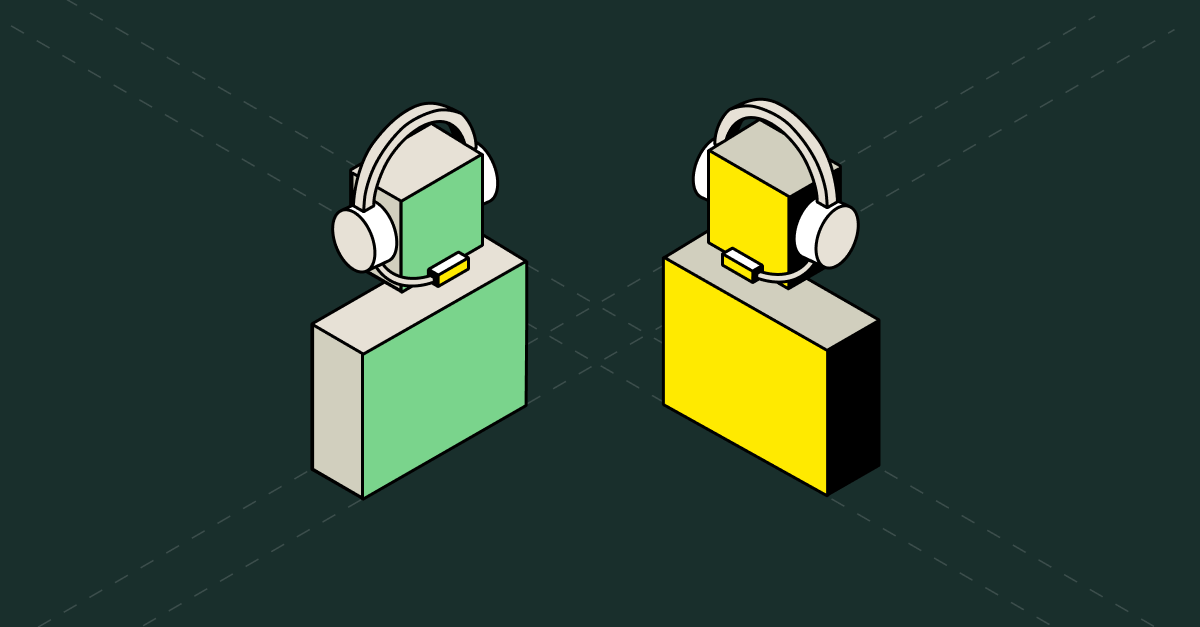
Right now there’s a recruiter running a stack of 400 resumes through an AI screening tool to determine who they should interview next. Down the street, a job seeker is asking ChatGPT to optimize their resume for the exact keywords that the AI tool is screening for.
Neither of them trusts what the other is doing. Both of them are right.
What's actually happening?
The numbers tell a story neither side is comfortable with. 83% of companies now use AI to screen resumes. 99% of Fortune 500 companies use AI somewhere in their hiring process. On the other side of the desk, 68% of job seekers use AI to write or assist with their resumes.
The result is an arms race neither side is winning. 90% of hiring managers report a surge in low-effort applications. 49% auto-dismiss resumes they suspect are AI-generated. Meanwhile, 66% of Americans say they wouldn't apply to a company they knew used AI in hiring decisions.
And the most telling number of all: only 8% of job seekers consider AI screening fair.
We have built a system where both parties outsourced their authenticity and are now frustrated by the inauthenticity they receive in return.
Every industry is feeling this. Insurance is feeling it while the building is on fire.
The P&C industry is projected to lose 400,000 workers to retirement by the end of 2026. Only 4% of millennials are considering insurance careers. A quarter of the current workforce is already 55 or older. And insurance job openings recently hit a decade low, not because the talent shortage resolved itself, but because carriers are pausing hiring to figure out what AI will do to their headcount.
So the industry is simultaneously short on people, reluctant to hire, and now using AI to screen the scarce candidates it does attract. That's not a strategy. That's a compounded problem being mistaken for a solution.
I've worked in insurance and seen what insurance work actually requires from the inside. And I can tell you that the qualities that make someone genuinely good at claims, underwriting, or policyholder services are exactly the qualities an AI screener is worst at finding.
Who does this hurt?
This new hiring method doesn’t hurt the people gaming the system. It hurts the people who don't know the game is even being played.
The recent graduate who wrote her own resume carefully and honestly, whose application never made it past the keyword filter because she didn't know the right keywords. The experienced adjuster from a different carrier whose background doesn't pattern-match the algorithm's training data. The candidate who has spent years learning to build policyholder trust and whose resume says nothing about that, because how would you list it?
There's also a bias problem the industry has largely acknowledged. 67% of companies using AI for hiring admit their tools could introduce bias. Nearly half recognize age bias. 44% cite socioeconomic bias. In an industry already struggling to attract diverse talent and facing a generational cliff, screening out candidates on those lines isn't just an ethical problem. It's an operational one.
What worries me most is the accountability gap beneath it. When an AI tool rejects a qualified candidate, who answers for that decision? In most companies right now, the answer is no one. The model made the call, and no one is required to explain it.
What does insurance work actually require?
I've built AI that handles millions of insurance conversations, claims intake, policy service, and sales, so I know, better than most, exactly where AI is better than humans and exactly where it isn't.
The things AI handles well: high-volume, process-heavy work with clear inputs and defined outcomes. Verifying policy data. Opening a claim. Dispatching a repair crew. Answering the same five questions for the ten-thousandth time. That's the 95% that AI should own.
The things insurance actually needs from its people: the other 5%, and it's everything. A policyholder calls because her house just flooded. She needs a claim number, but she also needs someone to tell her it's going to be okay. She needs to feel that one of the worst moments of her life actually matters to another human being. She needs the kind of presence that has nothing to do with keywords and can't be screened for in a document.
The best insurance professionals I know aren't distinguished by what's on their resumes. They're distinguished by how they handle a conversation that goes somewhere nobody expected. How they make a judgment call when the policy is ambiguous and someone is scared. How they stay accountable when something goes wrong.
None of that matches keyword screening. None of it parses. An AI screener looking for "claims handling experience" will pass on the candidate with exactly those qualities and surface the one who knows how to phrase it.
A different framework
I'm not arguing we go back to reading every resume by hand. That's not realistic, and it wasn't working particularly well before AI arrived, but I'd start with different questions.
What are we actually trying to find? In insurance, be specific: not "claims experience" but the judgment to handle a distressed caller, the accountability to own a decision that affects someone's financial life, the empathy to show up in a hard moment. Write those down before you configure any tool.
What does AI do, and what does a human do? The first filter, removing applications clearly out of scope, is a reasonable use of automation. Every meaningful decision after that should involve a person who can be held accountable for it. In a regulated industry like insurance, that accountability isn't optional.
And here's the thing about AI and insurance talent that I've come to believe strongly: the answer to the talent shortage isn't to automate around the shortage. It's to deploy AI on the work that doesn't require the expertise you're struggling to find, so that when you do hire a great claims adjuster, she spends her day doing claims work, not intake paperwork.
At Liberate, we built AI specifically to handle the routine, high-volume interactions that shouldn't require an expert. Not to replace the expert. To free her for the work only she can do. A claims adjuster who used to spend half her day on intake now has that time to call the family that just lost their home. That's not a cost story. That's a talent story.
The signal that cuts through
I've noticed something in the hiring conversations that go well. When someone can tell me, specifically and candidly, about something they got wrong and what they learned from it, I'm paying attention. When someone explains not just what they did but why they made the choices they made, I'm interested.
That kind of answer can't be generated. It can't be keyword-optimized. It's the output of actually having done something and actually having reflected on it.
In insurance, where the decisions are regulated, the stakes are real, and the moments that matter involve people at their most vulnerable, that kind of person is exactly who you need. And right now, the industry is building systems that are increasingly good at not finding them.
A resume is just a door. What has always mattered is what's behind it. The crisis we're in is that we've built a system where neither side believes the door is real anymore.
The way out isn't better AI for screening. It's deciding what insurance actually needs from its people, and building a process honest enough to find it.