Kidnap and Ransom Insurance: What Are You Really Buying?
On this episode of Everything is Insurance, I looked at one of the least-known corners of our industry: kidnap and ransom insurance. The most interesting part isn’t the money. It’s what the policy actually buys, which is access to people who have done this before. Here’s the short version for anyone who doesn’t have time to listen.
Amrish Singh
April 4, 2010. The Gulf of Aden.
A ship called the Samho Dream is moving through one of the busiest stretches of water on earth. It's a South Korean supertanker, three football fields long. Inside is $170 million of Iraqi crude oil, bound for the United States. There are 24 men aboard: five Koreans and 19 Filipinos.
That morning the seas were calm, until a group of Somali pirates climbed aboard and took over the ship at gunpoint. Here's the crazy part: The navy knew exactly where the ship was. They were tracking it, but they couldn't take the ship because those 24 men might die if they tried. And they couldn't negotiate, because governments don't pay ransoms. There is no police force on the open ocean. There's no 911 to call.
So getting these men home didn't belong to the navy. It didn't belong to the government. It belonged to the company that owned the ship. And the company's first move is the one you might never guess.
They called their insurance company.
What you're buying
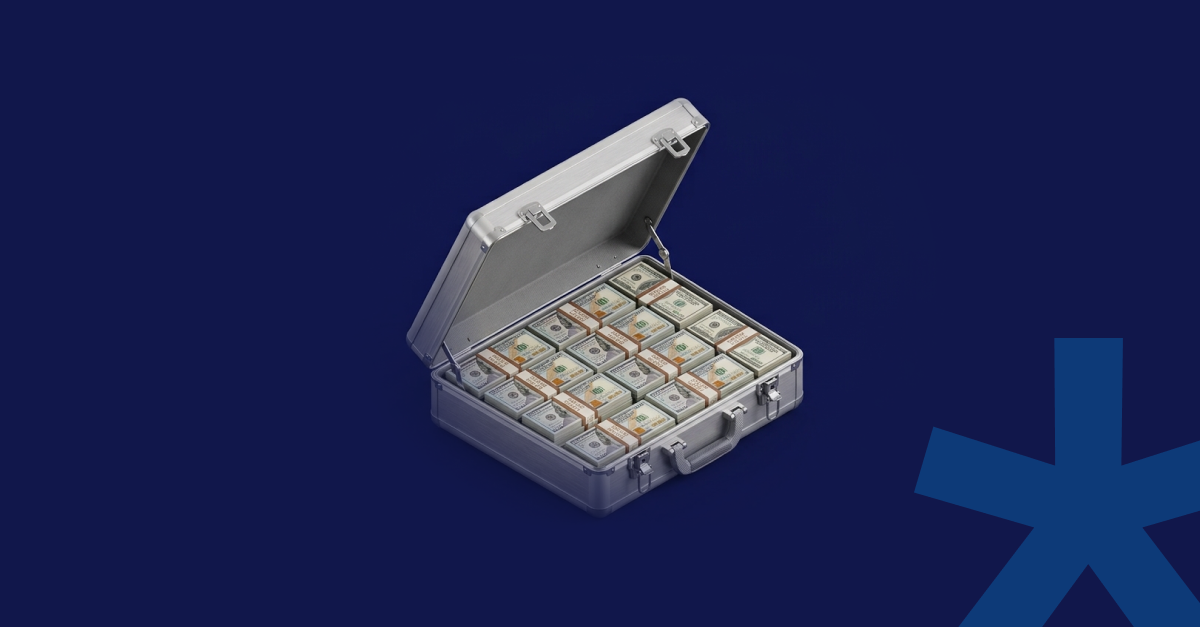
When you think of kidnapping, you might imagine a ransom note. A duffel bag of cash on a bridge at midnight. Money in. People out. But it turns out that's wrong in almost every way.
In corporate kidnappings, the people who own the ship don't necessarily do the negotiations. A specialized response firm can handle that. These are private response companies. A lot of their people are ex-military. Ex-hostage negotiators. People who do one thing for a living: talk to kidnappers and bring people home.
For the Samho Dream, those negotiations lasted 217 days. That's seven months of phone calls, with a negotiator talking on a satellite phone on a skiff bobbing off the coast of Somalia. Offer. Counteroffer. Silence. Offer again. The deal they finally landed on was around $9.5 million. At the time, a record ransom for pirates. On Nov. 6, 2010, the money was delivered, the ship was released and all 24 men walked off alive.
The insurance company never touched that money.
The company paid the pirates out of its own pocket. Then it made a claim to its insurance company. The policy was never a pile of cash sitting in a vault waiting for a bad day. So what did the company actually buy?
It bought the negotiator. It bought the expertise. It bought 217 days of someone who had done this exact thing before getting people home alive. The money got those men home, but the money was the easy part. Anyone with a bank account can pay a ransom. The hard part is knowing how much, and when, and to whom, and how to keep 24 people alive across seven months of a conversation nobody wants to be having.
That expertise is what you're actually buying.
But buying it comes with a catch.
The secret market
There's a line that can appear in kidnapping and ransom insurance contracts that helps explain just how unusual this market is:
“the Insured Entities and Insured Persons shall use all reasonable efforts not to disclose the existence of this Coverage Part”
In other words, the existence of the coverage itself may need to remain confidential. Why the secrecy? The moment a pirate or a cartel knows a company holds a $10 million policy, the concern is that its price tag becomes exactly $10 million. An insured person stops being just a person and becomes a potential payday.
The secrecy isn't there simply to protect an insurance company. It helps prevent coverage from increasing the attractiveness of the insured as a target. The same concept sits quietly behind executives in Mexico City. Behind engineers on oil fields. Behind aid workers and journalists in war zones. There is a whole market here, and most people will live their lives never knowing it exists.
But where did this playbook come from? Because someone had to invent it.
It's summer in Rome. 1973. J. Paul Getty III is 16 years old, red-haired, already expelled from school and living the loose, half-broke bohemian life of a rich kid who wanted little to do with his family name. One day while walking in the heart of the city, he vanishes.
His grandfather, J. Paul Getty, is one of the richest men in the world. The kidnappers put a price on the boy's life: $17 million.
The grandfather says no.
His reasoning was simple. If he paid one ransom, he feared he would make his other grandchildren targets. That's the moral hazard argument. The exact worry an insurer might have about the entire product. And it was being made in real time, in the middle of a kidnapping, by the victim's own grandfather.
Five months passed. Then the kidnappers sent proof they were serious. An envelope arrived at a newspaper in Rome containing a lock of hair and an ear, along with a threat that more would follow.
That did it. J. Paul Getty finally paid. But only $2.2 million himself. The remainder was lent to the boy's father at 4% interest. The grandson was eventually found at a gas station on a highway in southern Italy. The family was reunited, but he was never the same again.
The lesson the industry pulled out of that wasn't necessarily that the grandfather's underlying logic was wrong. His execution was. You don't hold the line by going silent and hoping for the best. You do it with discipline and with people who have done this before, who know the moves and aren't making them up as the calls come in.
Which brings us back to secrecy. It's not shame. It's underwriting. Details of cases are kept closely guarded because the moment a kidnapper can find out who's covered and what a policy actually pays, the price of everybody goes up.
But there's a question underneath all of this. Getty was afraid that paying once could create more targets. So what happens when an entire industry pays quietly and reliably? Doesn't that just scale the risk?
Does kidnap insurance encourage kidnapping?
If there's a system that reliably pays kidnappers, wouldn't that create more kidnappers? Are insurers simply rewarding criminals? If you wanted to design something that quietly makes kidnapping a better business, this is roughly what you'd draw up.
This isn't a fringe objection. It's essentially Getty's argument. The United States and United Kingdom refuse to pay ransoms, and the reasoning follows a similar principle: Pay one, and you risk encouraging the next crime.
If that's true, then kidnap insurance isn't a safety net. It's an accelerant.
The hidden regulator
Economist Anja Shortland explored this market in her book Kidnap: Inside the Ransom Business. Her conclusion is deeply counterintuitive.
The kidnap insurance market doesn't necessarily fuel kidnapping. It can help govern it.
In other words, insurance may be the closest thing this lawless corner of the world has to a regulator. Here's how the system works.
First, secrecy caps demand. Because nobody knows who's covered or what any policy paid out, kidnappers can't simply ratchet the price up case by case. There's no public number to bid against. The information that would let them raise prices simply doesn't exist.
Second, standardized negotiation can establish a kind of market rate. A relatively small number of response firms handle many cases, so ransom demands face experienced negotiators rather than panicked families or companies improvising in real time. Discipline sets the number, not desperation.
Third, information sharing can discipline kidnappers. Insurers and response firms compare information. Kidnappers who release hostages after payment establish a record of following through. Those who act in bad faith can find themselves frozen out. The market, in effect, can punish bad actors so individual families don't have to determine who's trustworthy during the worst time of their lives.
And fourth, professional response is intended to keep people alive.
That's the real output of this product. Not cash, but survival.
That's what the company behind the Samho Dream was actually buying. The $9.5 million was the outcome. What it bought was the system that produced it: professionals who had run scenarios like this before and knew how to navigate them.
What kidnap and ransom insurance is really selling
Go back to the deck of the Samho Dream. It's November 2010. Twenty-four men who spent 217 days as hostages are walking off the ship alive.
What got them home wasn't a hero. It wasn't a government. It was a quiet, largely invisible system that had seen situations like this before. It had priced the risk, developed a response and, when the day came, delivered the only ending that mattered: everyone went home.
That's the remarkable thing about insurance. We normally buy it for disasters we understand, like a car crash or a hurricane. Underneath all of that is a promise: Whatever happens to you, someone has already imagined the risk, priced it and built a way to respond.
Kidnap and ransom insurance is that promise taken to an extreme. The objective is to bring someone home alive, but it's built on many of the same principles behind far more ordinary insurance.
You might think kidnap insurance is a bag of cash sitting in a vault somewhere. But the money may be the least interesting thing about it. What you're really buying is access to the small circle of people who have already stood where you're standing and know the way out.
You can't buy your way out of danger. Nobody can sell you that. But you can buy your way into the room with the people who do.
Everything is insurance, in the end. The roof. The car. The worst day of your life.
Even the ransom.
Listen to the full episode
Hear Amrish Singh's conversations with negotiator Scott Walker and economist Anja Shortland on Everything Is Insurance, available on YouTube, Apple Podcasts and Spotify.
Have a question about insurance you can't answer? Let me know. It might become our next episode.
Interviews with Scott Walker and Anja Shortland, Everything Is Insurance, 2026
Key takeaways
The ransom isn't necessarily what you're buying. In a corporate kidnapping, specialized response firms can provide experienced negotiators who know how to manage demands, timing and communication while protecting the hostage.
Secrecy is fundamental to the market. Kidnap and ransom coverage may include strict confidentiality requirements intended to prevent insured individuals and organizations from becoming more attractive targets.
Professional negotiation helps impose discipline. Experienced response firms can prevent desperation from determining ransom demands and establish more consistent approaches to negotiations.
The market can function as a kind of hidden regulator. Economist Anja Shortland argues that secrecy, standardized negotiation and information sharing can constrain rather than encourage the ransom business.
The ultimate product is expertise. The Samho Dream story illustrates the larger point: The ransom was the outcome, but the real value was access to professionals who knew how to navigate an extraordinary situation.
By clicking “Accept”, you agree to the storing of cookies on your device to enhance site navigation, analyze site usage, and assist in our marketing efforts. View our Privacy Policy for more information.