A woman walks out of a grocery store at 9 p.m. and finds her bumper on the ground. Somebody clipped her parked car and left. She calls her insurer. The coverage is clear. The photos are clear. The answer is yes. She doesn’t want a conversation. She wants it handled before she gets home.
Another call comes from a homeowner whose water damage claim isn't going to be covered. The exclusion is real. The decision was hard but correct. To him it’s going to feel like the floor just gave way, because it did. Those two calls shouldn't be handled the same way. Most of the debate about AI in insurance still treats them as if they should.
We asked 1,001 people who'd lived through a claim. 49.5% would take a 60-second AI payout over a human on the phone in 10 minutes and a check in three days. 61% want a person on every denial. Same people, same survey, no contradiction.
The wrong question
Most of the industry conversations ask whether customers will accept AI but I think that's the wrong question. Nobody files a claim hoping to talk to a machine. Nobody files one hoping to talk to a person, either. They file because something went wrong, and they want it made right.
The better question is where AI belongs. And the answer starts with a simple idea: a yes and a no are different kinds of work.
A yes is a transaction
When a claim should be paid, the policyholder needs three things. Speed. Certainty. And not having to tell their story again.
Insurance has always wanted to deliver that. Anyone who has run a claims operation knows the intent is there. It almost always comes down to capacity. Status calls, document requests and re-explaining the same loss to a new person eat the hours that should go to the people who need them most.
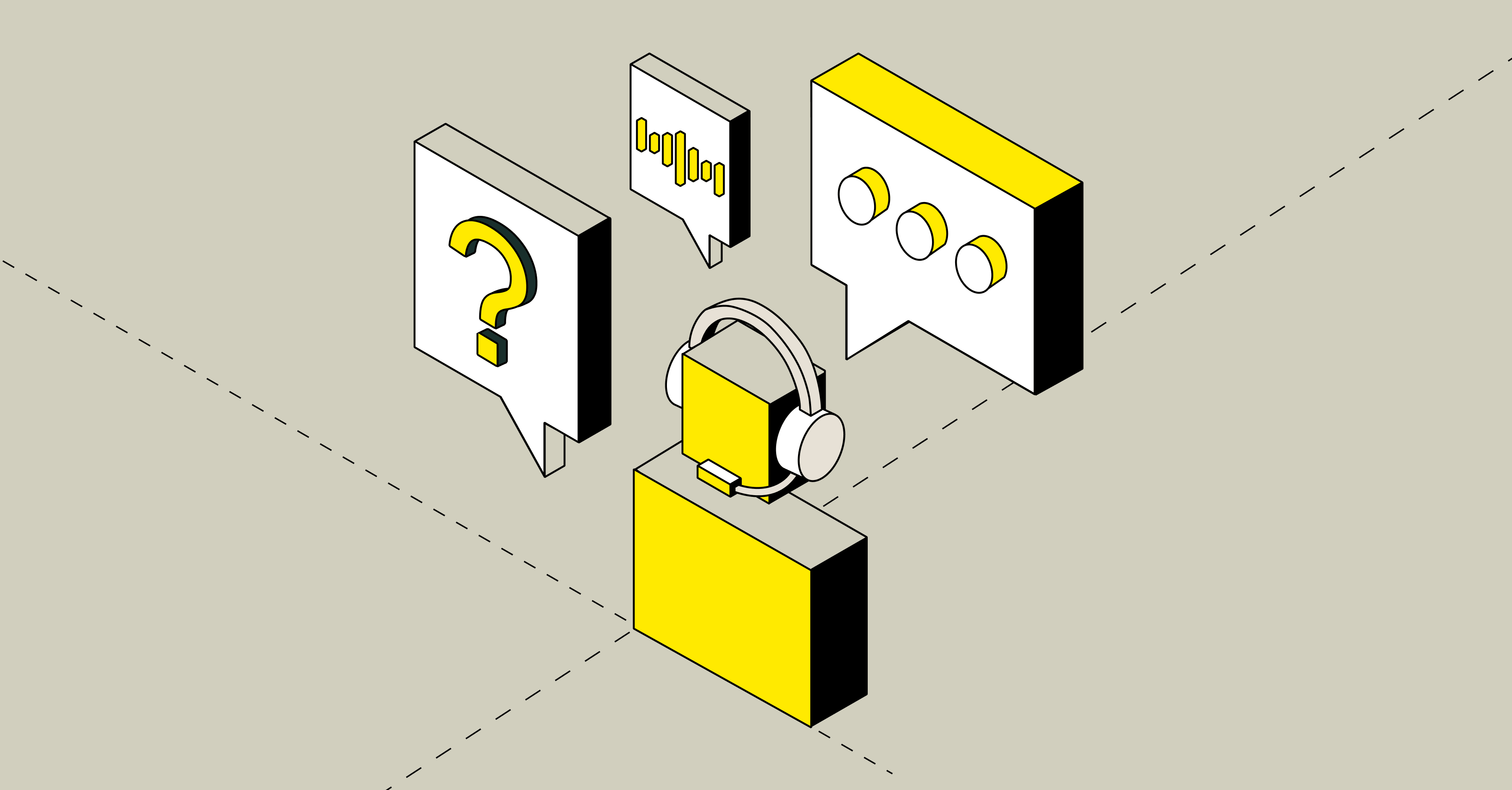
This is work AI does well. It verifies coverage, confirms the facts, files the claim and pays it, at 11pm on a Sunday, without putting anyone on hold. When the answer is yes, the most caring thing a carrier can do is say it fast.
Policyholders already know this. A 60-second AI payout isn't a vote against people. It's a vote to save their time.
A no is a judgment
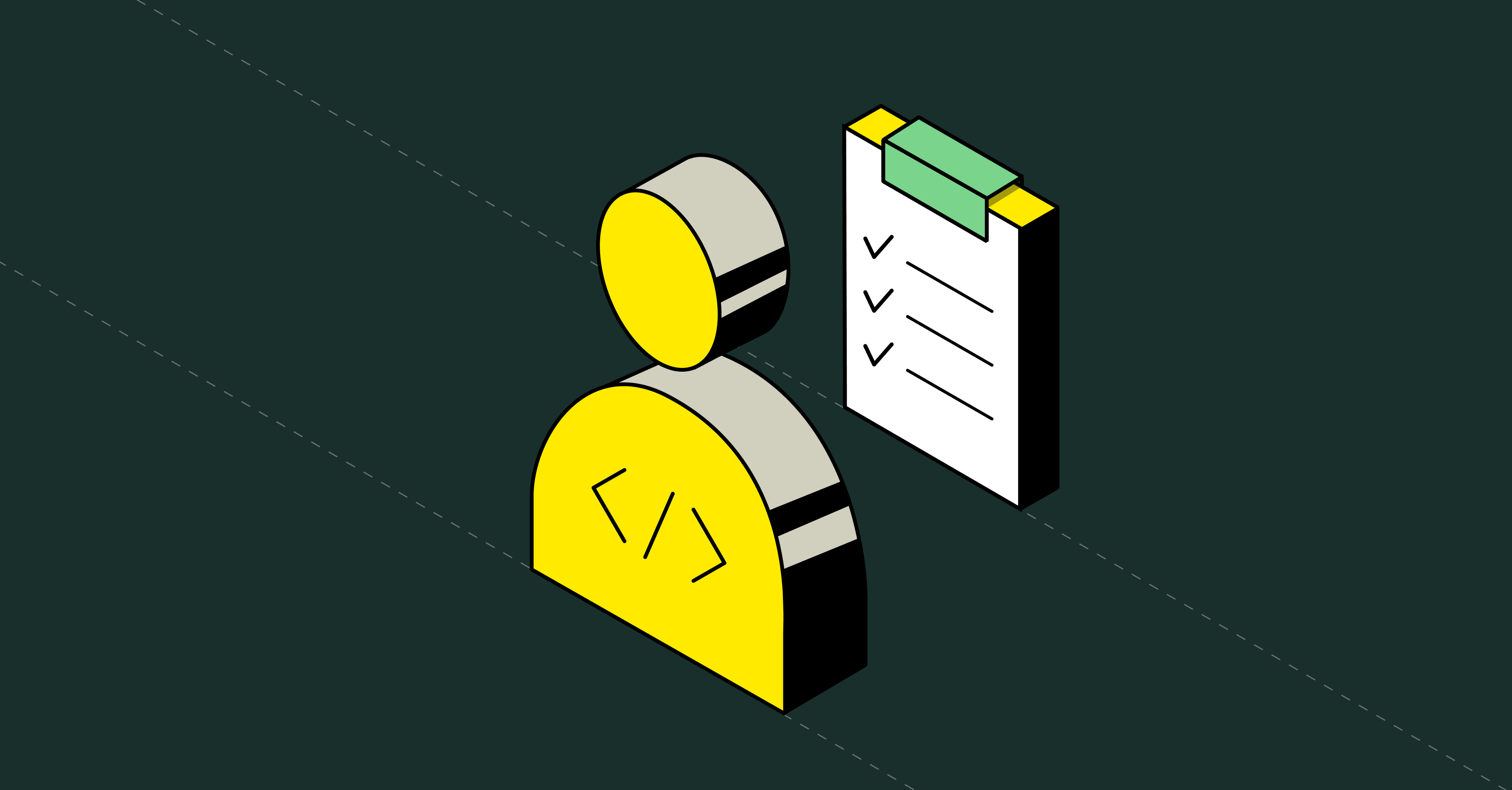
A denial is different. A no on coverage is meaningful. It needs someone who can explain it, stand behind it and answer for it if it turns out to be wrong.
Accountability has to live somewhere, and it shouldn't live in a model. A licensed person brings lived judgment that AI doesn't have. They can hear what isn't being said. They can catch the detail that changes the outcome. And when the answer is still no, they can deliver it like it matters, because it does.
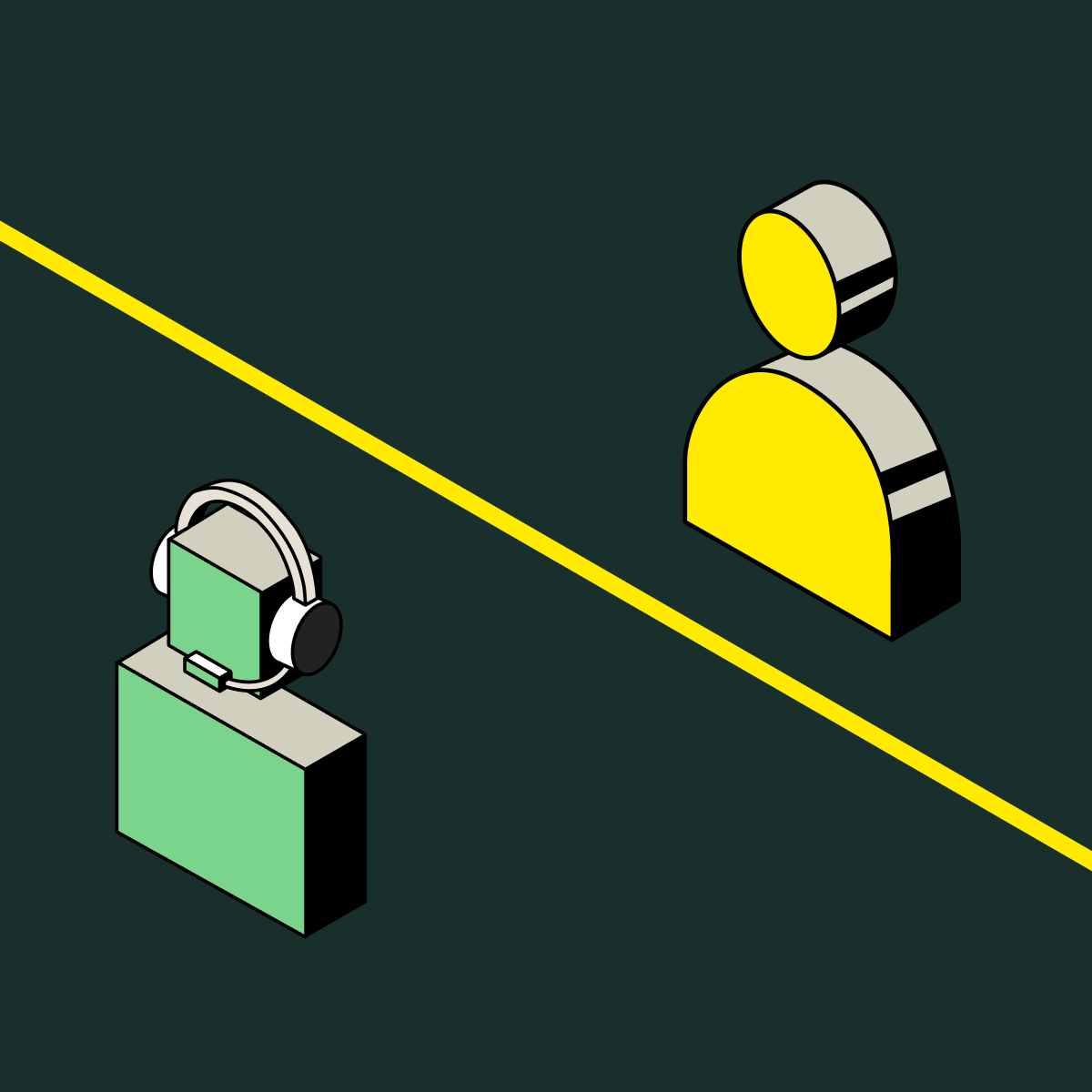
The same people who wanted the 60-second payout drew this line without hesitation. They don't see a contradiction. Neither do I. Fast on yes. Human on no.
Drawing the line with transparency
A line only works if people can see it. That means AI should say it's AI. Policyholders will let technology do real work for them, but they want to know who's on the other end. AI that introduces itself, does the job well and hands off cleanly earns the right to keep doing it.
It also means the hand-off has to carry the story. One policyholder told us the worst part of their claim was "waiting on hold for nearly an hour, then having to repeat the whole story to someone new." When a claim moves from AI to a person, the person should already know what happened. Context should travel with the claim, not with whoever happens to be holding it.
Why this matters now
The line is about to get tested from a new direction. The next call carriers answer may not be from a policyholder, it could be from their AI. It will ask for a quote, check on a claim, compare coverage, and it will not wait on hold. Carriers that already know where their human line is will answer that call the same way they'd answer the policyholder: fast on the routine, a person on the judgment. The question is no longer whether carriers use AI. It’s whether they know where their human line is before an AI calls to find out.
Whose line is it?
It's tempting to read all of this as a rulebook for carriers. AI here, people there. But the most important thing policyholders told us is that the line belongs to them.
The woman with the parked car should be able to finish up her call in a minute without talking to anyone. But if she gets uneasy halfway through and wants a person, she should get one right then, without starting over. The homeowner should never have to fight through a phone menu to reach someone who can explain his policy.
That's the standard I think our industry should hold itself to. Not how much AI handles, but how easy it is to cross the line in either direction without losing your place.
Get that right, and people stop wondering whether they're talking to AI or a person. They just feel taken care of.
See the results of the full survey about the Human Line here:
https://www.liberate.ai/the-human-line
About Liberate
Liberate builds insurance-native Al agents that handle claims, servicing, and sales, trusted by carriers representing $100B+ in premiums on network.